
Lovebugs in Florida: What You Need to Know
Lovebugs are swarming in Florida. Learn why they appear, what attracts them, and how to protect your car and home during peak season.
Lovebugs in Florida: What They Are and What to Do
The Sudden Swarm Every Floridian Knows
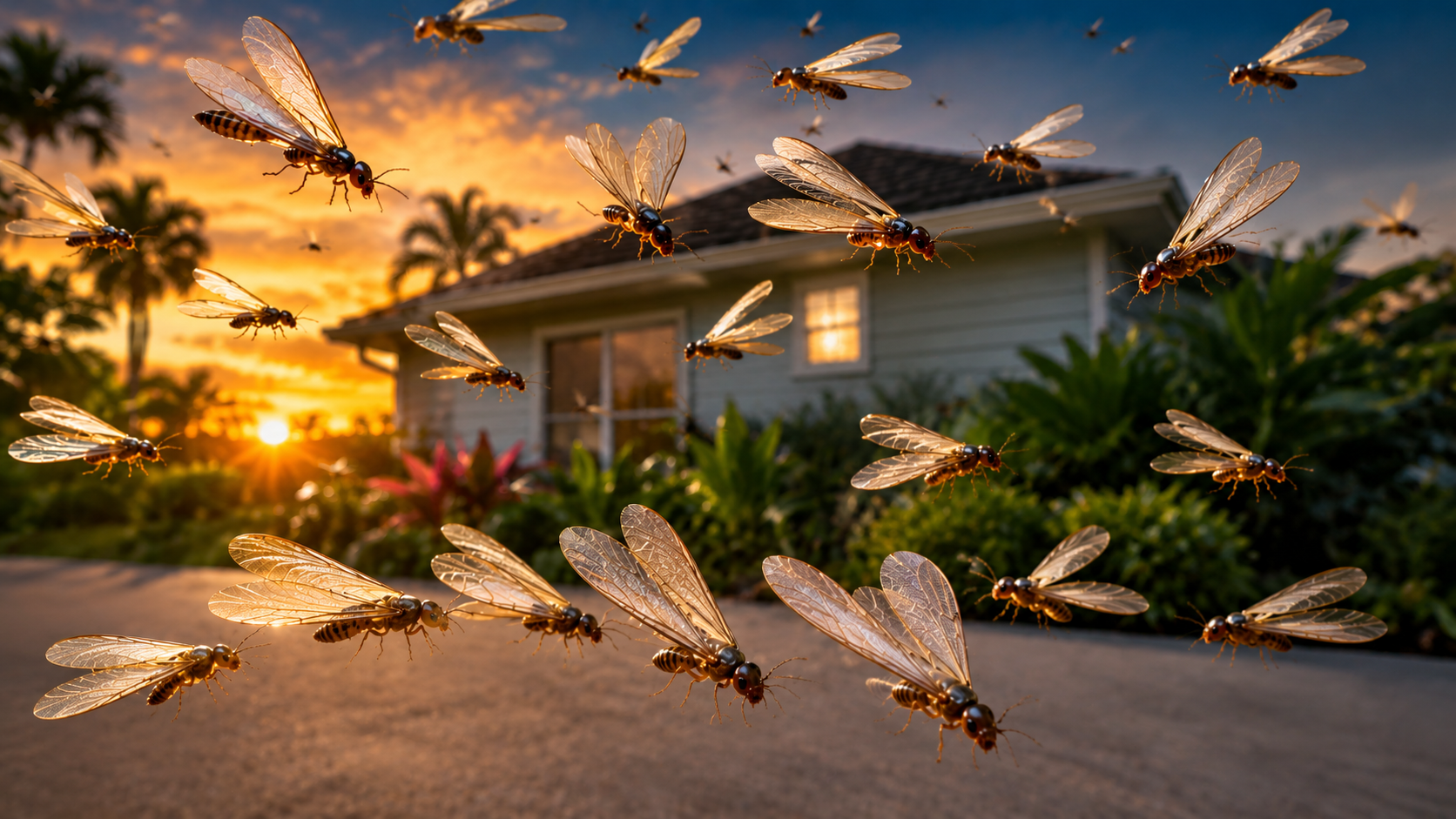
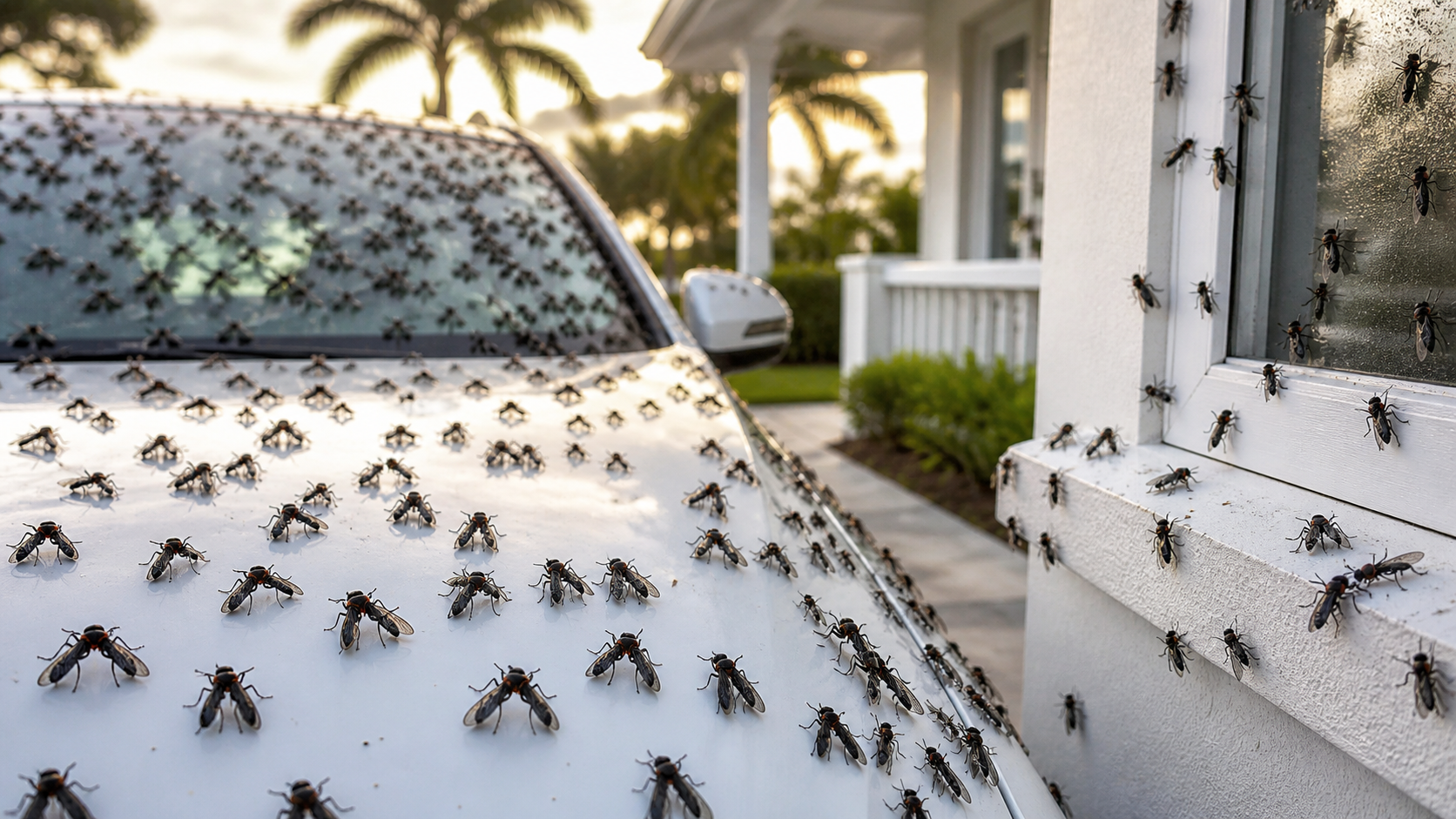
You step outside on a warm May morning, coffee in hand, and stop. Your car, porch, and windows are covered in slow-moving black bugs, all paired up and drifting through the air. Within hours, they seem to be everywhere.
If you’ve lived in Florida long enough, you know this scene well. Lovebugs are one of the state’s most recognizable seasonal nuisances. The good news? They’re more annoying than dangerous. By the end of this article, you’ll understand exactly what’s happening—and what, if anything, you should actually do about it.
What Are Lovebugs?
Lovebugs, scientifically known as Plecia nearctica , are a species of march fly, not true bugs. Despite their overwhelming presence during peak season, they are completely harmless to humans, pets, and plants.
Here are the key facts that matter:
- They don’t bite or sting
- They don’t transmit diseases
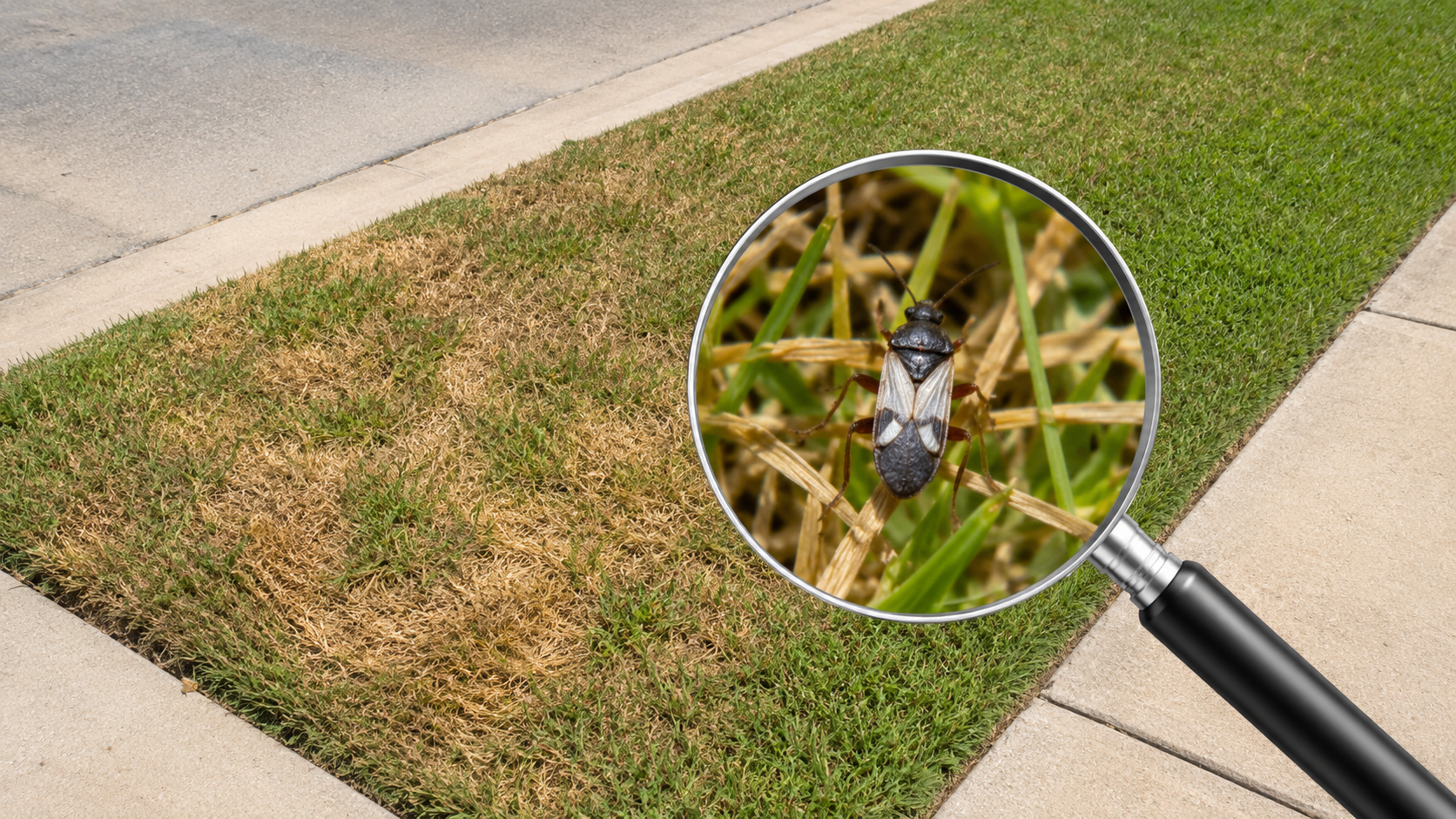
- They don’t damage your lawn or landscaping
The reason you always see them in pairs is simple: they’re mating. Once they pair up, they remain attached for much of their short adult life, which is how they earned their name.
Beneficial Bugs & A Persistent Myth
Interestingly, lovebugs are actually beneficial to the environment. Their larvae live in soil and feed on decaying organic matter, helping to break it down and enrich the soil naturally.
The UF Myth: One persistent myth worth clearing up is that lovebugs were created or introduced by the University of Florida. This rumor has circulated for decades, but it has no scientific basis. Lovebugs are native to Central America and spread naturally over time.
When and Why Do Lovebugs Swarm?
Lovebugs appear in two predictable waves each year: Spring (Late April through May) and Fall (Late August through September). Their adult lifespan is incredibly short—typically just 3 to 4 days. That’s why infestations feel intense but don’t last long.
What Attracts Them?
Florida’s heat and humidity amplify their activity, creating those dense, highly visible swarms. They are strongly drawn to:
- Heat
- Light-colored surfaces
- Vehicle exhaust fumes
- Freshly cut grass
The Real Problem: Vehicle Damage
While harmless to people, their bodies contain acidic compounds that can damage car paint if left sitting too long in the sun. When large numbers accumulate, they can also clog air intakes and radiators, leading to overheating.
What Can You Do?
Here’s the honest answer: there’s no practical way to eliminate lovebugs from your yard, and trying to do so usually isn’t worth it. Because they are beneficial and short-lived, widespread pesticide use is not recommended. The swarms will pass quickly on their own.
Vehicle Protection
- Wash your car regularly after exposure
- Remove bugs as soon as possible
- Apply a protective wax coat before season starts
- Use a bug deflector if driving frequently
Home & Yard Adjustments
- Keep grass trimmed short during peak season
- Avoid leaving outdoor lights on during heavy activity
- Use fans in entryways (they are weak fliers)
When It Might Be Something Else
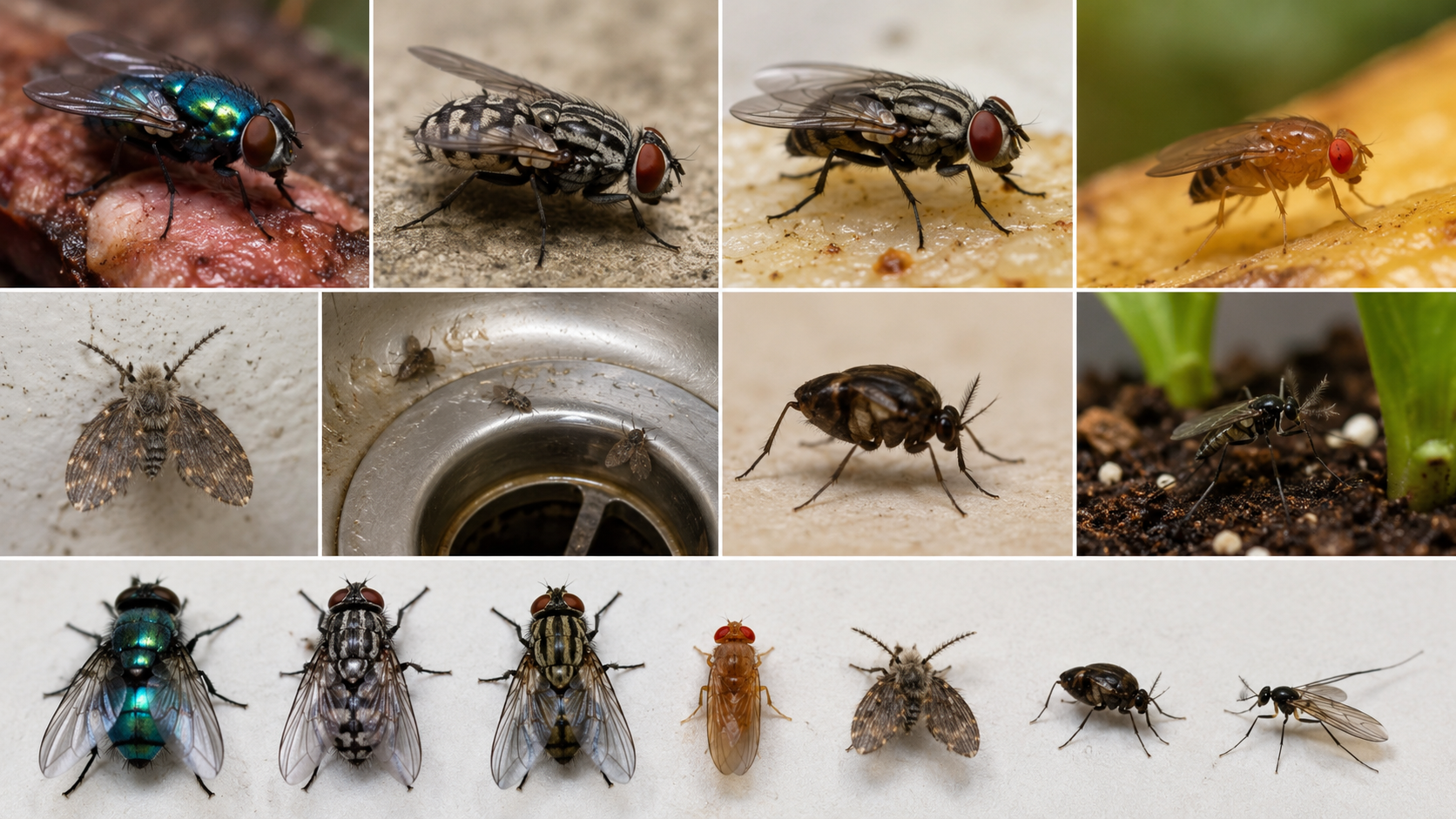
Lovebugs may be annoying, but they’re harmless. However, Florida is home to plenty of flying insects that are not. If you’re seeing insects that bite, sting, or behave differently during lovebug season, it’s worth taking a closer look.
Misidentifying pests can lead to bigger problems if left untreated. If you’re unsure what you’re dealing with, Insect IQ can help identify the issue and recommend the right solution. Lovebugs don’t require control—but many other Florida pests do.
Contact Insect IQ Today