
Sting Victim | See What Happens When Yellow Jackets And Bees Sting You

Jonathan Simkins

Nobody wants to be stung by a bee or yellow jacket, but we all get stung at one time or another. Backyard barbeques, soccer games, schoolyards, and well anything outdoors can lead to a sting.

Every wonder what is actually happening? 

Well, here are the ins and outs (pun intended) of the typical bee sting.

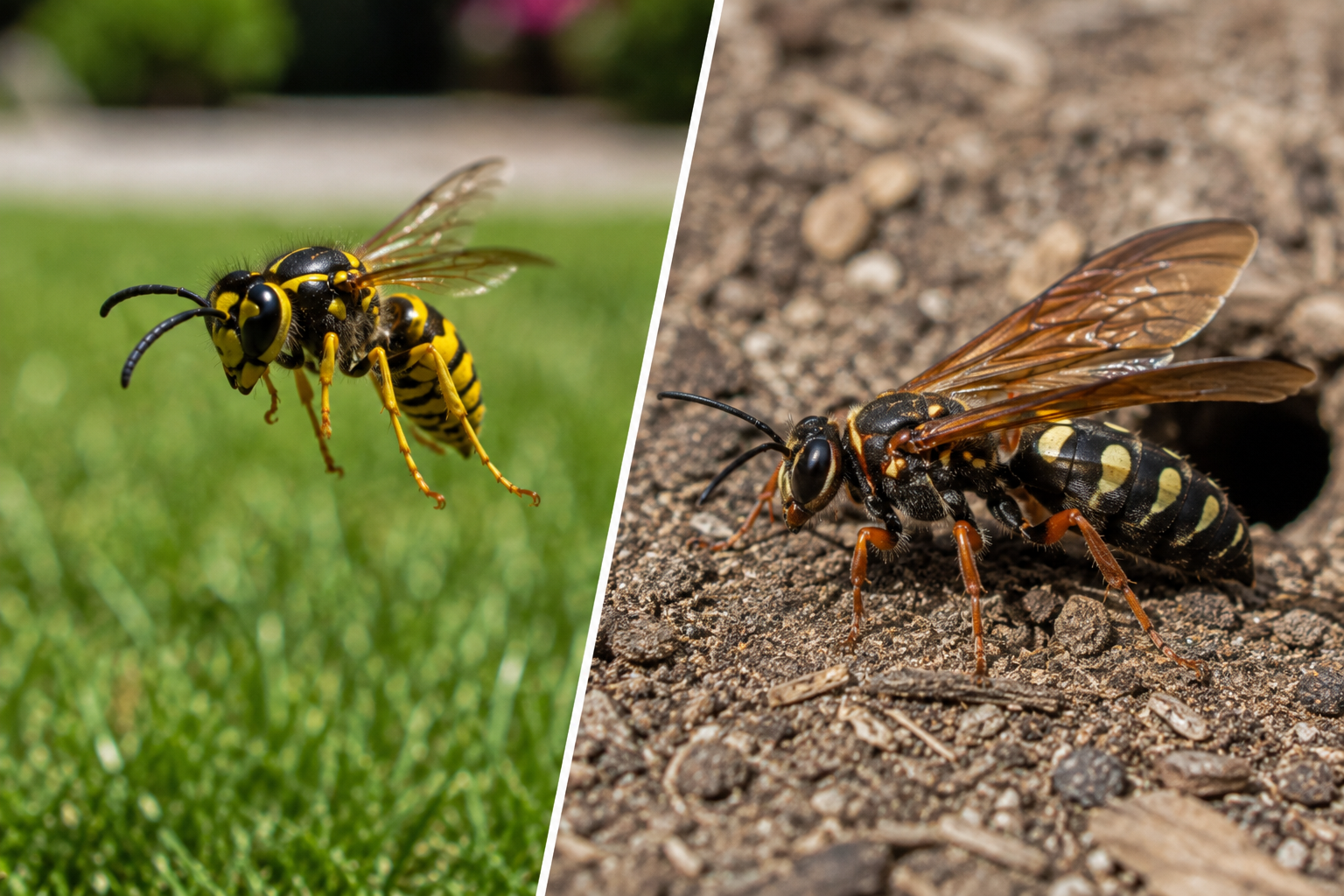
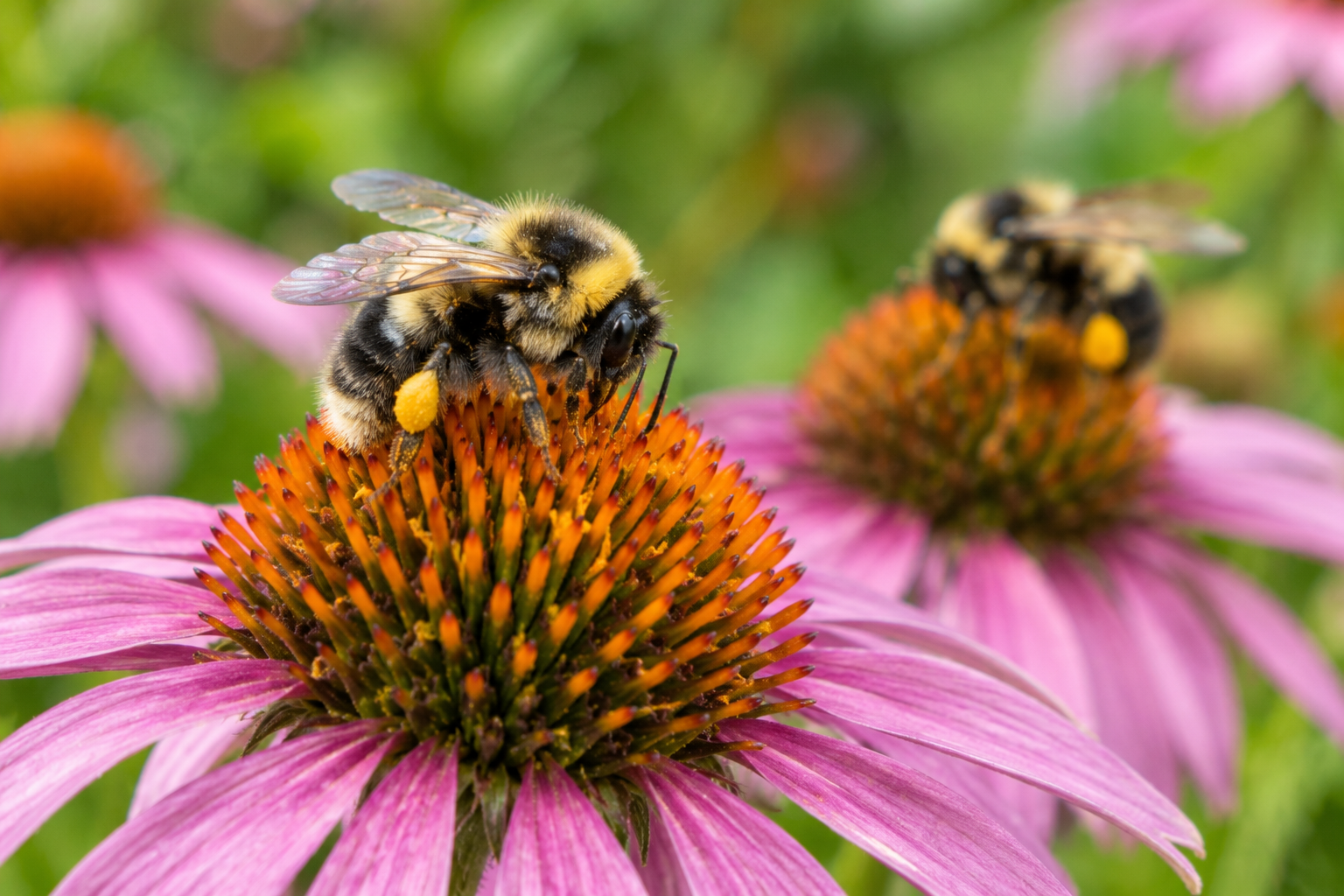
Bees have a barbed stinger that gets embedded into your skin and remains there until removed. The venom sac continues to pulsate after the bee has pulled away continuing to discharge more venom into your body. 500 stings can kill a typical person. For those with unfortunate allergies, one sting can be deadly.

If stung, remove the stinger by scraping it away. If you squeeze the stinger, it will pump more venom into your arm. Ice the arm immediately and take Benadryl. Always consult a doctor before taking over-the-counter medicine.

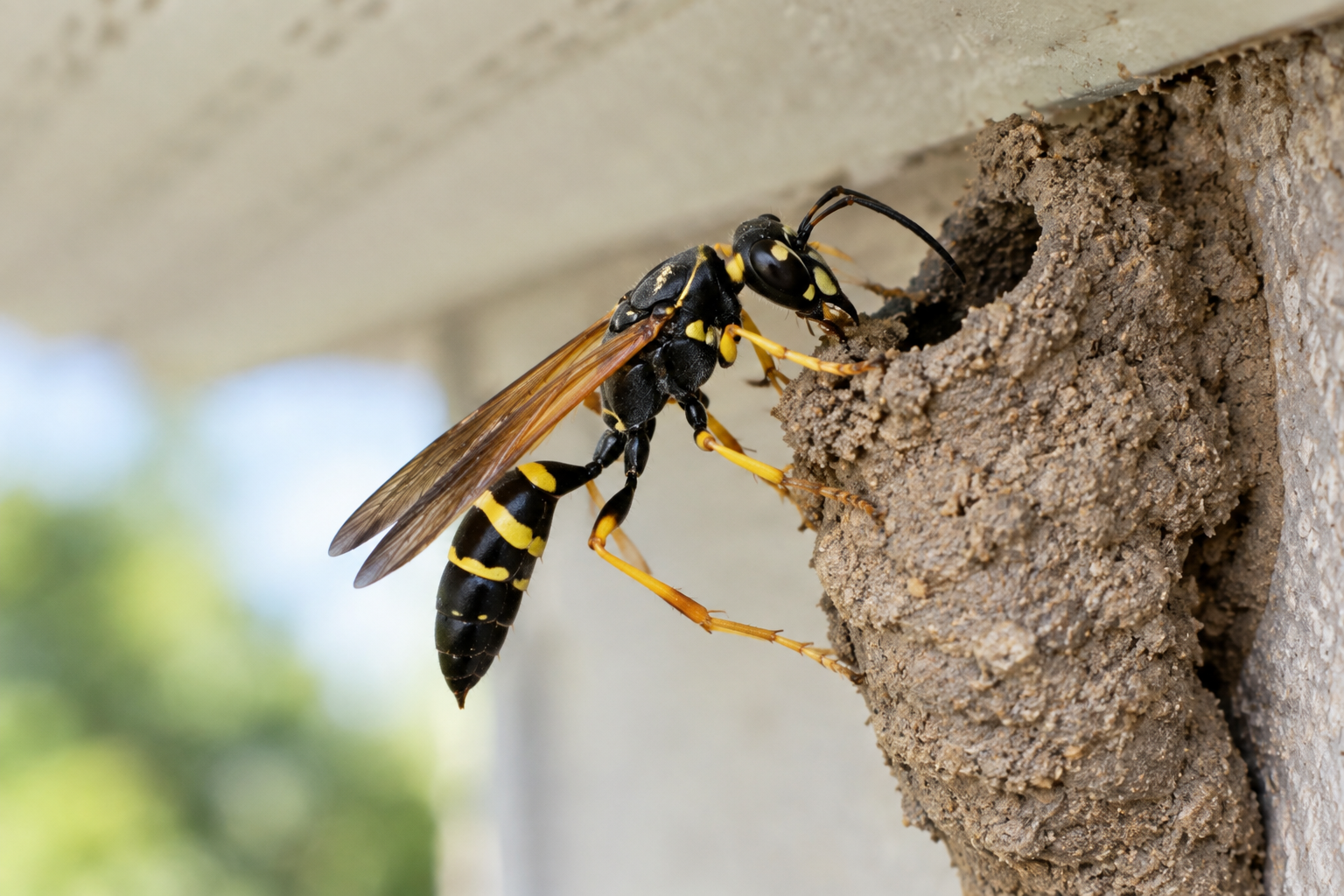
Yellow Jackets have a needle-like stinger and can sting you multiple times in multiple spots. 5 to 10 yellow jackets can leave 100s of stings all over your body. As the yellow jackets sting you they release an alarm pheromone signaling other yellow jackets to attack. If you find yourself getting stung, get to an enclosed area as quickly as possible. Don’t jump into a pool, the hive will continue to swarm and call reinforcements.

AND THE BEST WAY TO AVOID GETTING STUNG IS…

Prevention.

Remove nests as soon as you see them. Don’t let small nests become big nests. And make sure you have a professional pest prevention company treating your property regularly.

If you need help with bees or any other pest problems, call Insect IQ (855) 930-2847.
By Jackson Simkins March 9, 2026
Struggling with mosquitoes in Florida? Learn why they thrive, the risks they pose, and how professional mosquito control can protect your home.
By Jackson Simkins March 6, 2026
Learn why birds nest in homes, the risks they create, and how to prevent nests in vents, soffits, and rooflines with professional wildlife control.
By Jackson Simkins March 2, 2026
Learn how to identify termite activity vs carpenter ants and why correct identification protects your Florida home from damage.
By Jackson Simkins February 27, 2026
Are possums on your Florida property? Learn what attracts them, the risks they pose, and how to remove them safely.
By Jackson Simkins February 23, 2026
Discover why ants invade Florida kitchens, the risks they bring, and how to identify common species. Get expert help today.
By Jackson Simkins February 20, 2026
Raccoons can tear through soffits, vents, and roofing in Florida homes. Learn why DIY exclusion fails and why professional raccoon removal matters.
By Jackson Simkins February 16, 2026
Learn the signs bees have nested in walls or soffits and why fast removal is critical. Contact Insect IQ for expert service.
By Jackson Simkins February 13, 2026
Hearing scratching or fluttering in your attic at dusk? Noticing small droppings near vents or soffits? You may have bats roosting in your home.
By Jackson Simkins February 9, 2026
Florida’s warm climate causes early honey bee roaming. Learn why bees target homes and when to call Insect IQ for removal.
By Jackson Simkins February 6, 2026
Flying squirrels can invade Florida attics unnoticed. Learn the risks, signs, and why professional removal matters.