
Tropical Sod Webworm Larva Might Be Feeding On Your Lawn If You See This
Tropical Sod Webworm Larva Might Be Feeding On Your Lawn If You See This
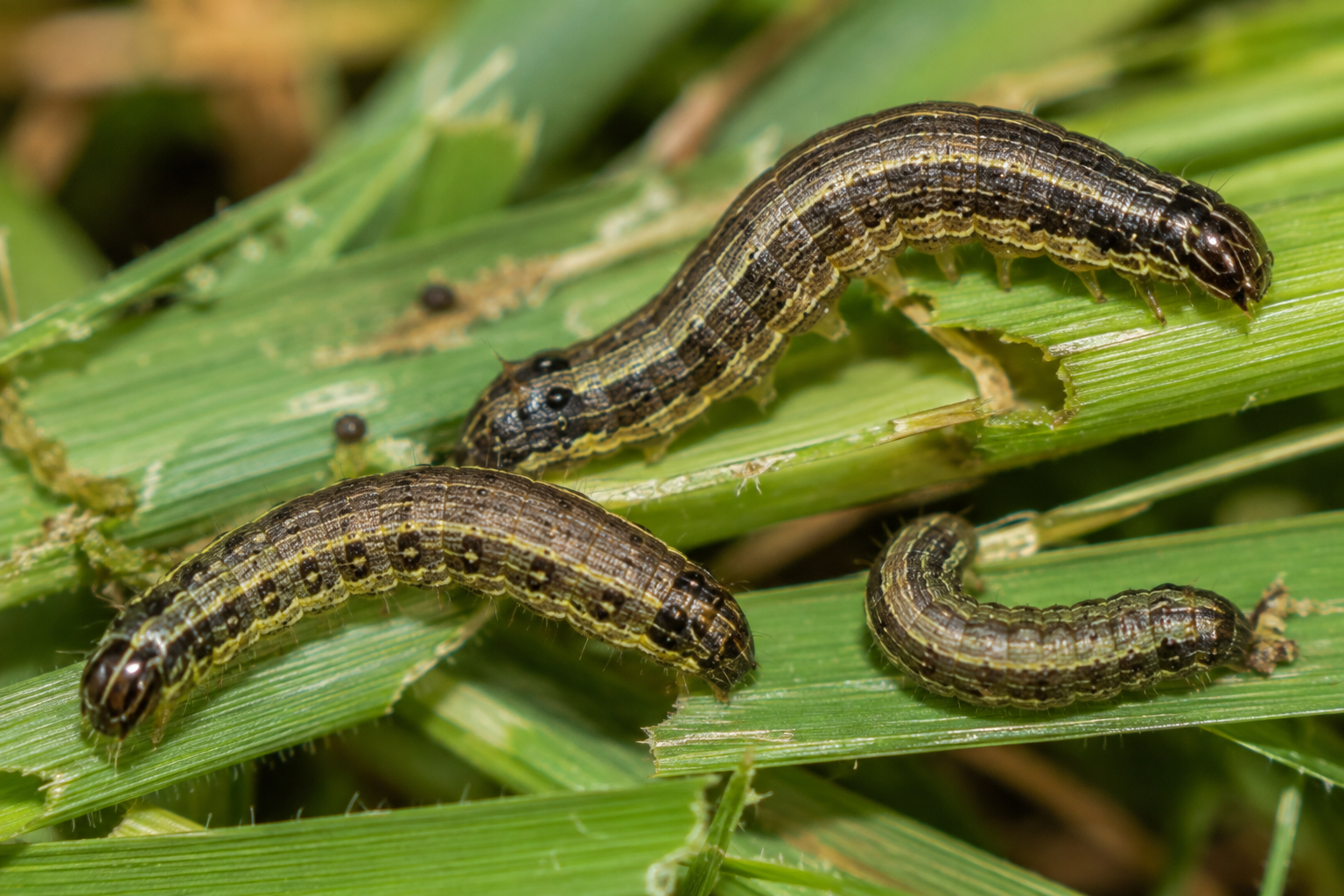
If you have noticed that your lawn looks like it's been cut by a dull blade or like tops have been chewed by a cat and you have no idea what is causing the destruction, there is a good chance that it could be Sod Webworms.
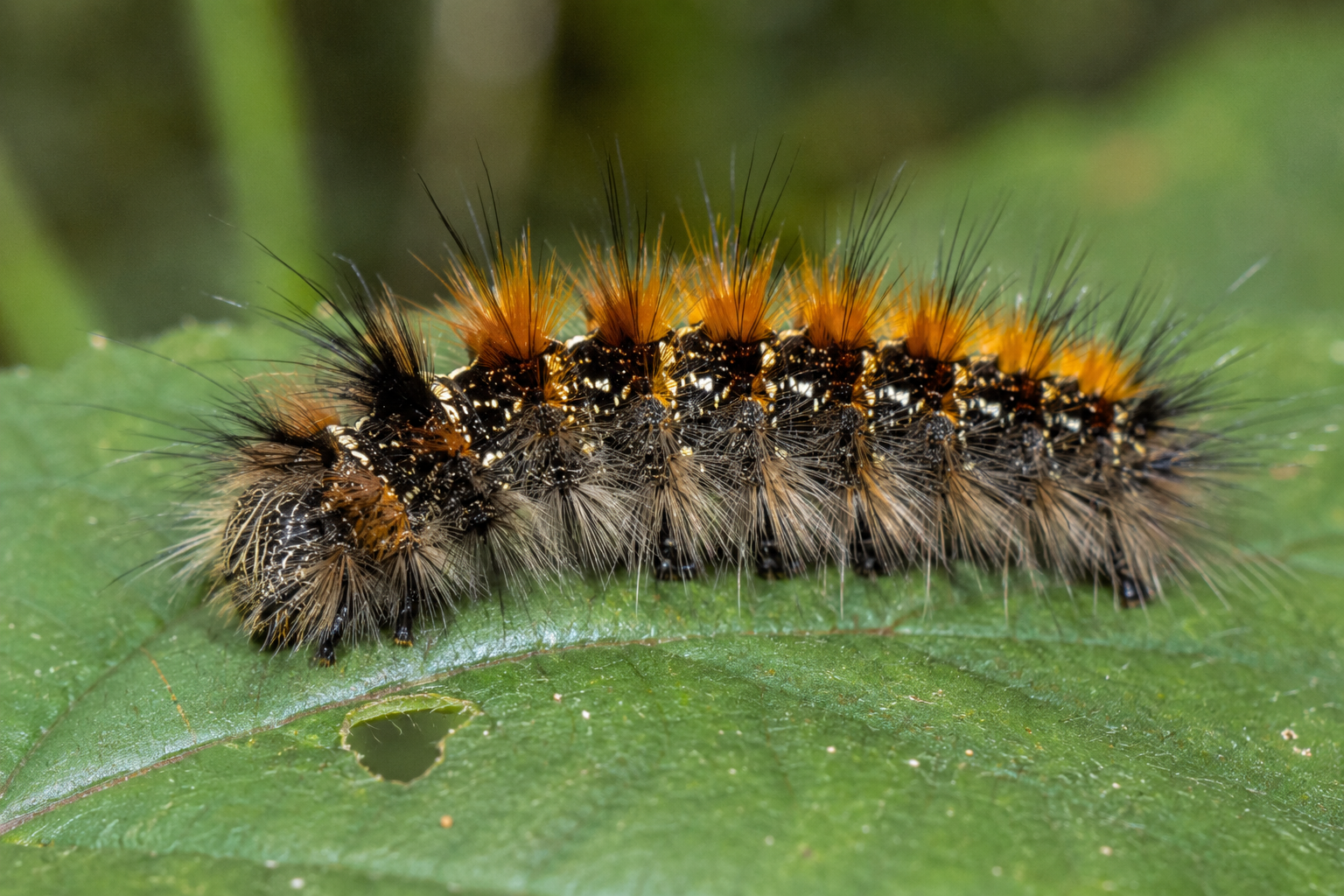
Sod Webworms are not worms at all, but rather the actual larvae of several species of moths that feed on turfgrass. Sod Webworms attack turfgrasses throughout the “tropical zone” which includes Tampa and parts of Southern Florida.
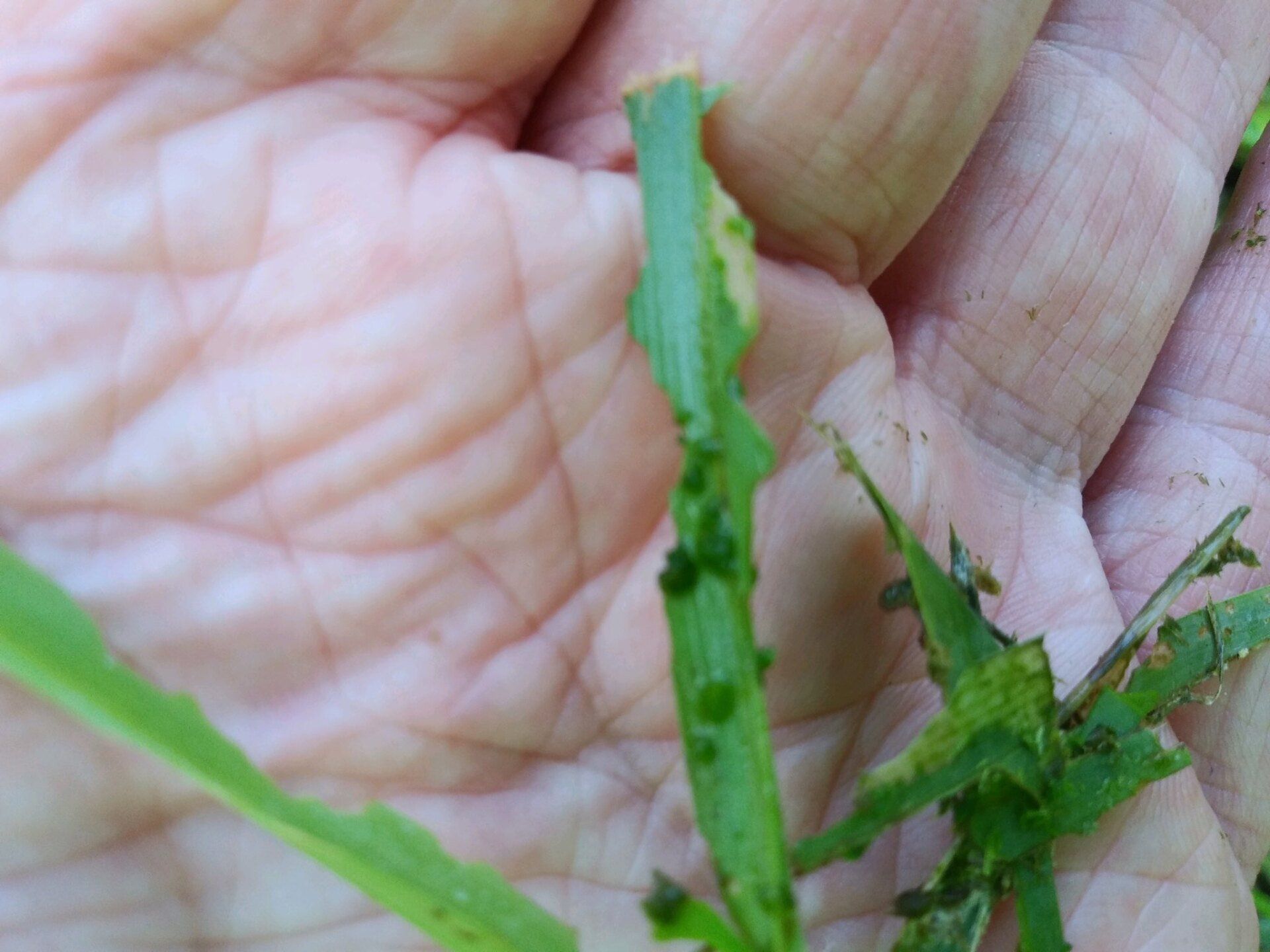
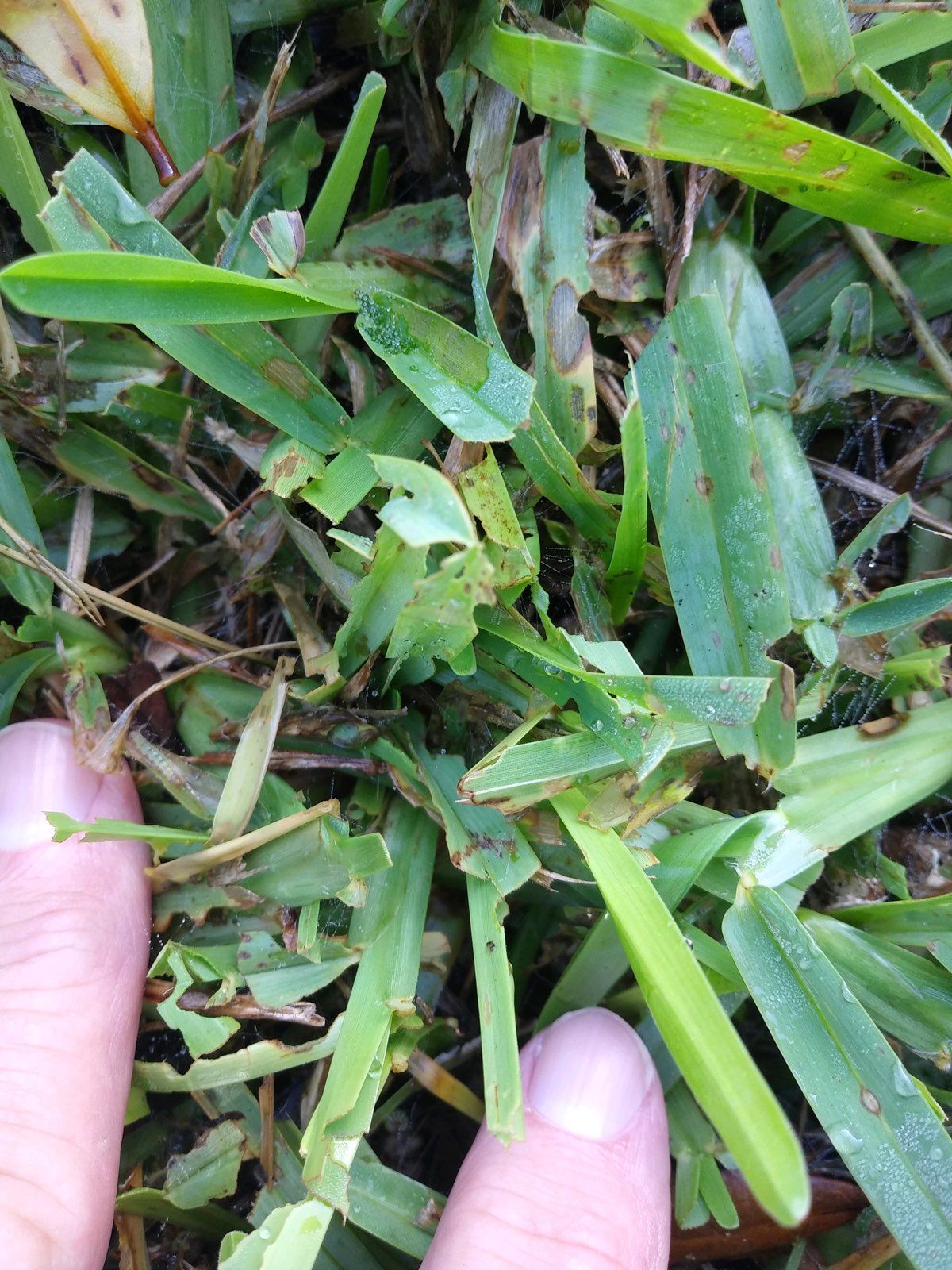
Sod Webworm activity starts increasing in Florida between March and May and continues until late November to early December.
This coincides with the spring months when turfgrass growth is at its highest. Sod Webworms only feed on the upper surface of grass blades, and so the injury they cause is often overlooked.
In most cases, it takes time for Sod Webworm damage to become noticeable because they feed on the grass blades during their two-year life cycle (1st – in the larvae stage; 2nd – as an adult beetle). However, if you see an increase in sod Webworm damage this spring, you should be concerned about potential issues next in the summer when temperatures begin warming up again.
Sod Webworms only feed on the upper surface of grass blades, and so the injury they cause is often overlooked. The larvae feed on the leaves and roots of the plant, but they don't usually kill it outright. Instead, they weaken it and cause it to become more susceptible to disease or drought stress. This can eventually kill off small areas of your lawn if left untreated.
If you see these Webworms in your lawn, there are several things you can do to prevent them from spreading throughout your yard:
*Keep your lawn healthy by mowing regularly and watering as needed; this will keep weeds from overtaking your grass.
*Avoid using weed killer products in areas where Sod Webworms are present; these chemicals will kill them, but may also harm other beneficial insects such as bees and butterflies.
If you suspect that you might have a Sod Webworm Problem, contact us today for a free pest inspection. Call 855-930-2847 or visit us at https://www.insectiq.com/ to learn more about turf-destroying insects.